
WORLD TIRE REVIEW
The Trusted Source For Tire Review
There’s no better way to make an instant and dramatic upgrade to the look and performance of your vehicle than with a Tire & Wheel.
What is World Tire Review ?
WORLD TIRE REIVEW is a blog, created by a group of tire enthusiasts who want to know what you think and review your tires.
We are completely independent and focused on a community of the best for tire reviews.
You can help our community grow faster, by reviewing as many tires as possible, but make sure they are all the same tires you’ve used before. Each of your review will advise consumers to make the right decisions
✔ Totally independent
✔ Totally tire focused
✔ Real consumer based
Our Tire Review Process

Search your tire
Search for your tires via our tool: tire size, car brand, tire brand …

Find out the best tire
Find the best tire based on consumer reviews: road noise, ride comfort, treadwear…

Find out best price from retailers
Based on 15+ retailers’s price, choose the best tire for you.

Ordering - Delivery - Installation
3 options: Ship to an Installer – Ship to any adrress – Oder pick-up
Best Tires By Type

Off-Road Tires

All-Season Tires

Performance Tires
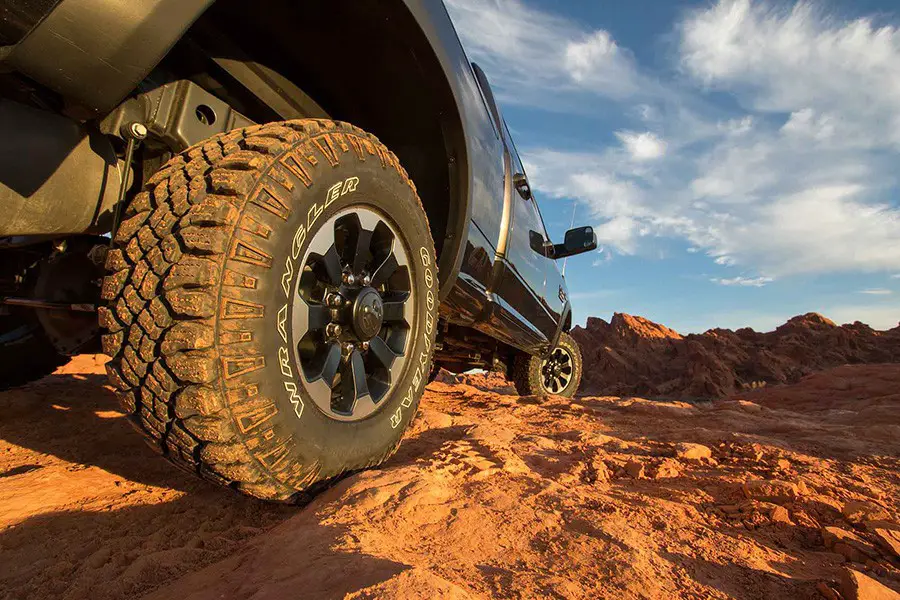
All-Terrain Tires

Tires For Wet Roads
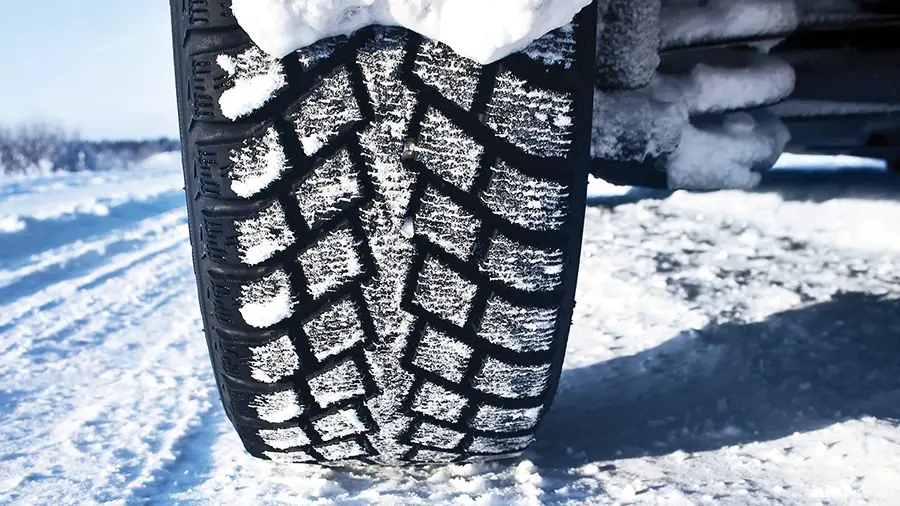
Winter Tires
Tire Review By Brand















Member Brands
Tire Size Guide

Tire Size Guide is a blog dedicated to helping drivers calculate and compare tire sizes and wheel/rim specifications such as diameter, width, height, circumference, and revs/mile from mm to inches.
Cor Wheels

Cor Wheels is a custom manufacturer of High-End Forged Wheels, Tires – Single, Duo &Three Piece Wheels for Luxury, Exotic, SUV, and classic cars
Recently Tire Model Reviews
Goodyear Assurance Fuel Max Reviews – Perfect Details For You

Bridgestone Dueler H/L Alenza Plus Tire Reviews & Rating
Yokohama Avid Ascend Tire Review – Is It A Perfect Choice?
Michelin Energy Saver A/S tire Review – Upgrade Your Car To The Next Level
Kumho Ecsta 4X II KU22 Tire Review – Is It Worth Buying?
Tire Advice
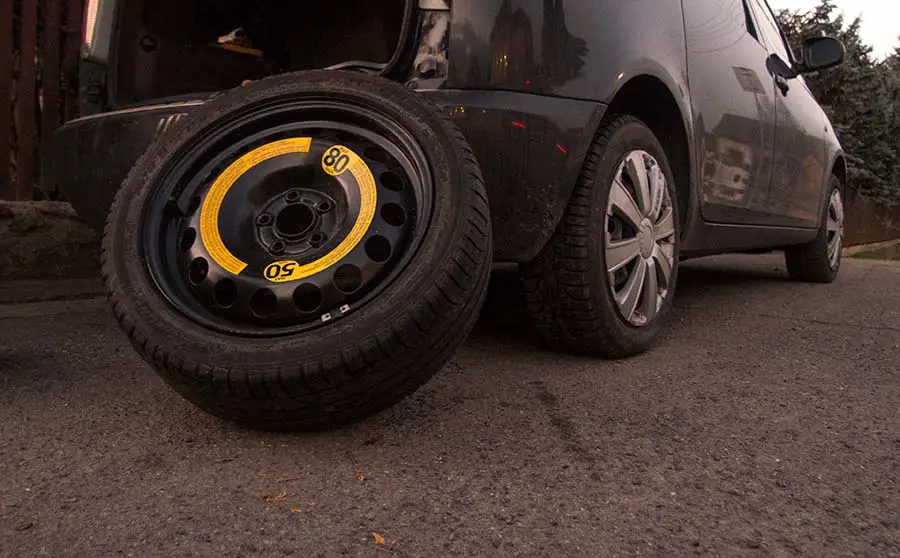
How To Put On A Spare Tire: Step-by-step Guideline
For drivers, equipping car repair skills is extremely necessary. Oftentimes, you will not know what will...
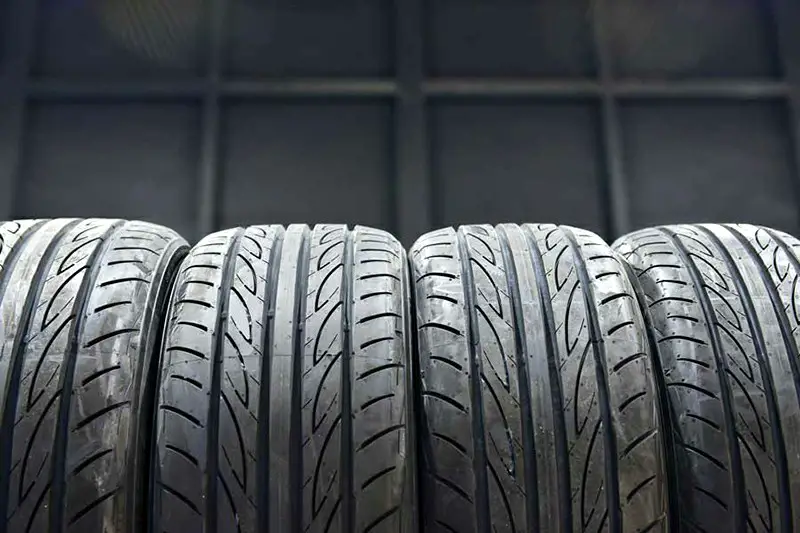
How To Tell If You Have Directional Tires: 2 Simplest Ways
You have owned a car for a long time and still don’t know if it has directional or nondirectional tires? If...
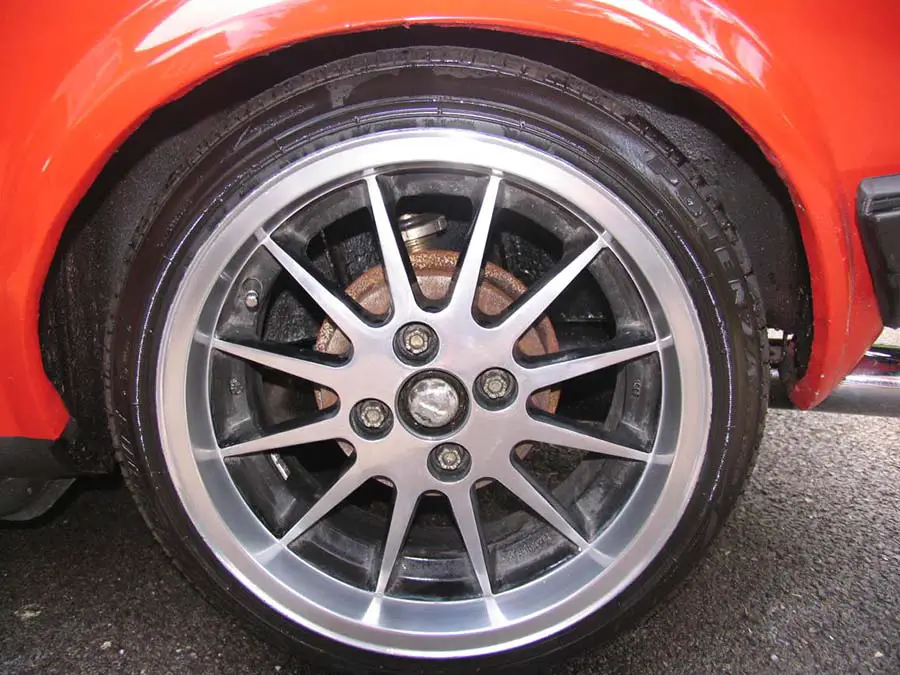
15×8 Tires: What Tires Size Fit On 15×8 Rim?
Equipping your wheels with a new set of tires is the key to the look and performance of your vehicle....

What Are Performance Tires – The Criteria You Should Know
Performance tires feature unique treadwear, speed rating, traction parameters, and handling. These features...

How Much Does A Monster Truck Tire Cost? Everything You Should Know
Anyone who has ever witnessed a monster jam truck in action must be very surprised by its giant body and the...
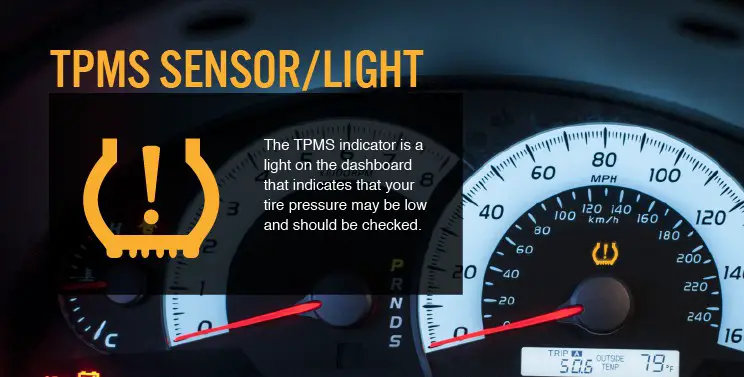
What Does The TPMS Light Mean? How Can You Fix It?
Tire Pressure Monitoring System or TPMS is a sensor system that helps you determine when the tires are too...

The Biggest Tire In The World: What To Know
Which is the biggest tire in the world? If you still believe huge tires are only for display, you should...
